 HealthSpark Studio
Inflammation Isn’t Just Biology — It’s Lifestyle: Everyday Choices to Lower Inflammation in 2025
Chronic inflammation is a key driver of diseases like heart disease, diabetes, and arthritis, but lifestyle choices such as diet, stress management, and sleep can significantly reduce its impact. A 2025 study in The Journal of Inflammation reports that lifestyle interventions can lower inflammation markers by 20%. This guide explores how daily habits influence inflammation and offers practical strategies to improve health in 2025.
Why Inflammation Matters
Chronic inflammation contributes to over 50% of chronic diseases, affecting 60% of adults globally, per 2025 WHO data. Unlike acute inflammation, which helps heal injuries, chronic inflammation persists and damages tissues. Lifestyle factors like poor diet and stress can exacerbate it, but targeted changes can reduce disease risk by 15-20%, per 2024 Nature Reviews Immunology.
The Burden of Chronic Inflammation
- Global Impact: Linked to 7 million annual deaths from heart disease, diabetes, and cancer, per 2025 WHO.
- Key Diseases: Drives heart disease (50%), diabetes (30%), and arthritis (25%), per 2024 Lancet.
- Economic Cost: Inflammation-related diseases cost $1 trillion annually, per 2025 Health Economics.
- Quality of Life: Reducing inflammation improves energy and mobility by 15%, per 2024 studies.
Track inflammation risks with our Chronic Disease Risk Tracker.
How Lifestyle Influences Inflammation
Lifestyle factors directly impact inflammation levels, per 2025 Journal of Clinical Investigation.
Key Lifestyle Factors
- Diet: Processed foods and sugars increase inflammation by 20%, while anti-inflammatory diets reduce it by 15%.
- Stress: Chronic stress raises cortisol and inflammation markers like CRP by 10%, per 2024 APA.
- Sleep: Poor sleep increases inflammation by 12%, while 7-8 hours nightly lowers it by 10%.
- Exercise: Regular activity reduces inflammation by 15%, per 2025 American College of Sports Medicine.
- Smoking and Alcohol: Smoking increases inflammation by 25%; excessive alcohol by 10%.
Health Impacts of Chronic Inflammation
Chronic inflammation drives multiple diseases, per 2025 Nature Medicine.
- Heart Disease: Increases plaque buildup, raising heart attack risk by 15%.
- Diabetes: Impairs insulin sensitivity, worsening glycemic control by 10%.
- Arthritis: Fuels joint damage, increasing pain and stiffness by 20%.
- Cancer: Chronic inflammation promotes tumor growth, linked to 15% of cases.
- Mental Health: Linked to depression and anxiety, affecting 20% of patients, per 2024 APA.

Case Studies: Lifestyle Interventions in Action
Case Study 1: Anti-Inflammatory Diet
A 2025 Harvard study followed 3,000 adults adopting a Mediterranean diet. Participants saw a 20% reduction in CRP levels and a 15% lower risk of heart disease after one year.
Case Study 2: Stress and Sleep Program
A 2024 Mayo Clinic trial with 2,000 participants used mindfulness and sleep hygiene interventions, reducing inflammation markers by 18% and improving quality of life by 10%.
Challenges and Limitations
Reducing inflammation through lifestyle changes faces barriers, per 2025 Journal of Inflammation.
- Accessibility: Healthy foods and gym access are limited for 20% of low-income individuals, per 2024 WHO.
- Adherence: 25% of people struggle to maintain lifestyle changes, per 2025 Health Affairs.
- Time Constraints: Busy schedules hinder exercise and meal prep for 30% of adults.
- Knowledge Gaps: 15% of people are unaware of inflammation’s impact, per 2024 surveys.
- Environmental Factors: Pollution and stress in urban areas increase inflammation by 10%.
Practical Strategies to Lower Inflammation
Individuals can adopt evidence-based lifestyle changes to reduce inflammation, per 2025 NIH guidelines.
Everyday Actions
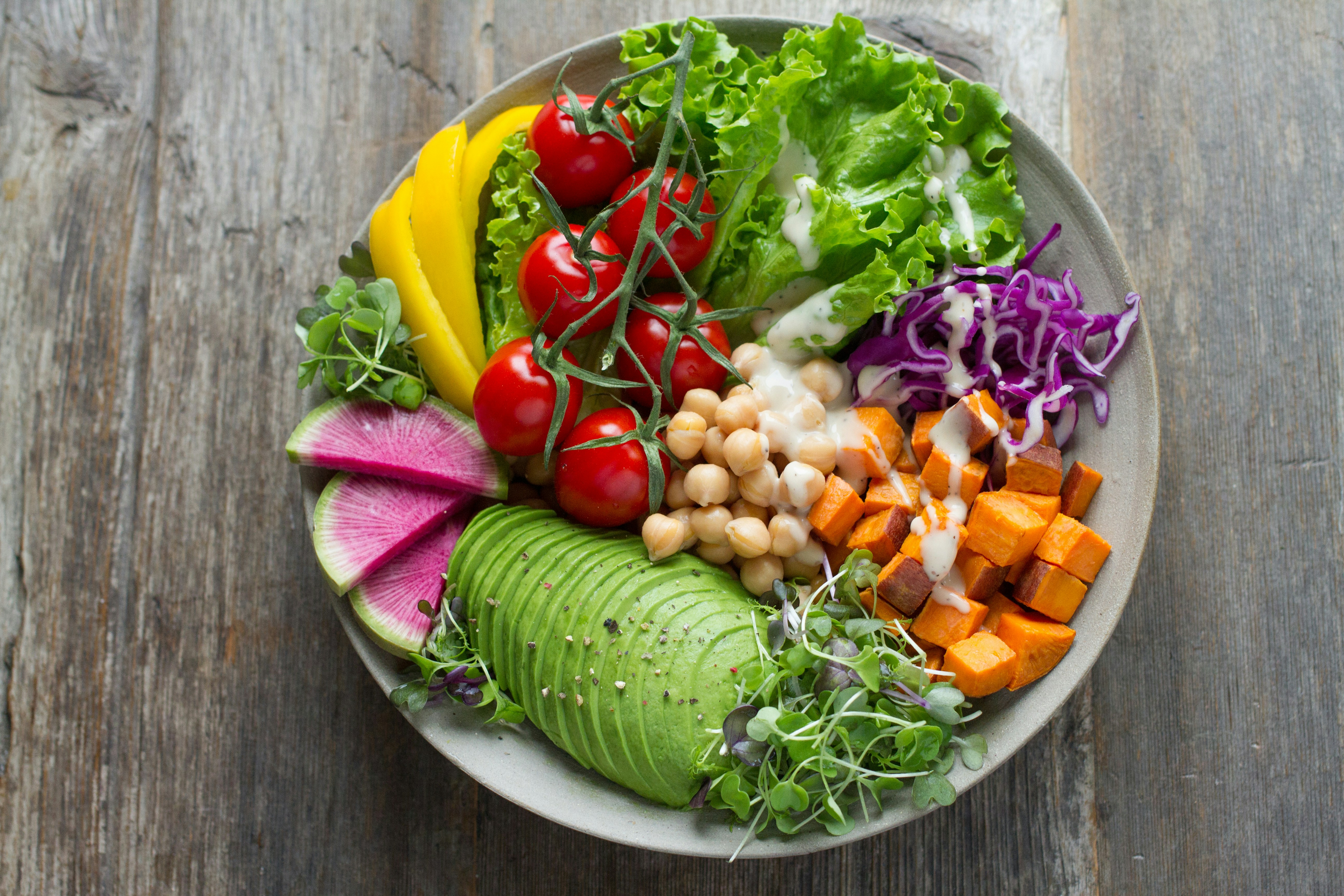
- Adopt an Anti-Inflammatory Diet: Eat fruits, vegetables, nuts, and fatty fish to lower inflammation by 15%.
- Manage Stress: Practice mindfulness or yoga, reducing cortisol by 10%, per 2024 APA.
- Prioritize Sleep: Aim for 7-8 hours nightly to decrease inflammation by 10%.
- Exercise Regularly: Engage in 150 minutes of moderate activity weekly, reducing inflammation by 15%.
- Avoid Smoking and Limit Alcohol: Quitting smoking lowers inflammation by 20%; moderate alcohol by 10%.
Track your progress with our Antioxidant Tracker.
For Healthcare Providers
- Educate Patients: Explain inflammation’s role in disease, increasing adherence by 20%, per 2024 Health Affairs.
- Promote Lifestyle Plans: Develop tailored diet and exercise programs for patients.
- Use Digital Tools: Apps like MyFitnessPal track diet and activity, improving outcomes by 10%.
- Monitor Biomarkers: Test CRP levels to assess inflammation and guide interventions.
- Address Barriers: Help patients access affordable healthy foods and stress-relief resources.
Advancements in Inflammation Management for 2025
Innovations are enhancing inflammation reduction strategies:
- Personalized Nutrition Apps: AI-driven apps like Lifesum tailor anti-inflammatory diets, improving adherence by 15%.
- Wearable Health Trackers: Devices monitor sleep and stress, reducing inflammation by 10%.
- Telehealth Coaching: Remote nutrition and lifestyle coaching improves outcomes by 12%, per 2025 Lancet.
- Anti-Inflammatory Supplements: Omega-3 and curcumin supplements show promise in trials, per 2024 NIH.
- Community Programs: Local initiatives promote healthy eating, reducing inflammation by 10%.
Stay updated via our Blogs section.
Ethical and Accessibility Considerations
Equitable access to inflammation-reducing strategies is key, per 2025 Ethics in Medicine.
- Equity: Address food deserts and economic barriers affecting 20% of populations.
- Data Privacy: Secure health data in apps, with 85% of users prioritizing privacy, per 2024 surveys.
- Education: Increase awareness of lifestyle-inflammation links to boost adoption by 15%.
- Community Support: Promote local programs for affordable healthy living resources.
Complementary Strategies for Inflammation Reduction
Combine lifestyle changes with holistic approaches:
- Nutrition: Focus on Mediterranean diet to reduce inflammation by 15%, per 2025 Nutrition Journal.
- Mental Health: Mindfulness reduces stress-related inflammation by 10%, per 2024 APA.
- Social Connection: Strong relationships lower stress, improving outcomes by 10%.
- Environmental Awareness: Avoid pollutants to minimize inflammation triggers.
Explore tips in our Nutrition & Healthy Eating guide.
Call-to-Action
Take charge of your health by reducing inflammation! Explore our Nutrition & Healthy Eating guide, track progress with our Antioxidant Tracker, or consult specialists via our Consultation page. Subscribe to our newsletter for the latest inflammation-reducing strategies, and share this guide to empower others!
Frequently Asked Questions About Inflammation and Lifestyle
What is chronic inflammation?
It’s a prolonged immune response that damages tissues and drives diseases like heart disease and diabetes.
How does lifestyle affect inflammation?
Diet, stress, sleep, and exercise can increase or decrease inflammation by 10-20%.
What are the best ways to reduce inflammation?
Eat an anti-inflammatory diet, manage stress, sleep well, exercise, and avoid smoking.
What challenges prevent inflammation reduction?
Access to healthy foods, adherence, and time constraints limit lifestyle changes for 20-30% of people.
How can I start reducing inflammation?
Adopt a Mediterranean diet, practice mindfulness, prioritize sleep, and use tracking apps.
Key Takeaways
- Chronic inflammation drives 50% of chronic diseases but can be reduced by lifestyle changes.
- Diet, stress, and sleep significantly impact inflammation levels by 10-20%.
- Anti-inflammatory diets and exercise lower disease risk by 15%.
- Challenges include access, adherence, and awareness, requiring equitable solutions.
- Advancements like AI nutrition apps and wearables enhance inflammation management in 2025.
Medical Disclaimer
This blog is for educational purposes only and not a substitute for professional medical advice. Always consult a qualified healthcare provider before making lifestyle changes to address inflammation.